
Skin
Skin care, at your pace
Consultations and medical treatments, each starting with a conversation.

Skin
By treatment
-
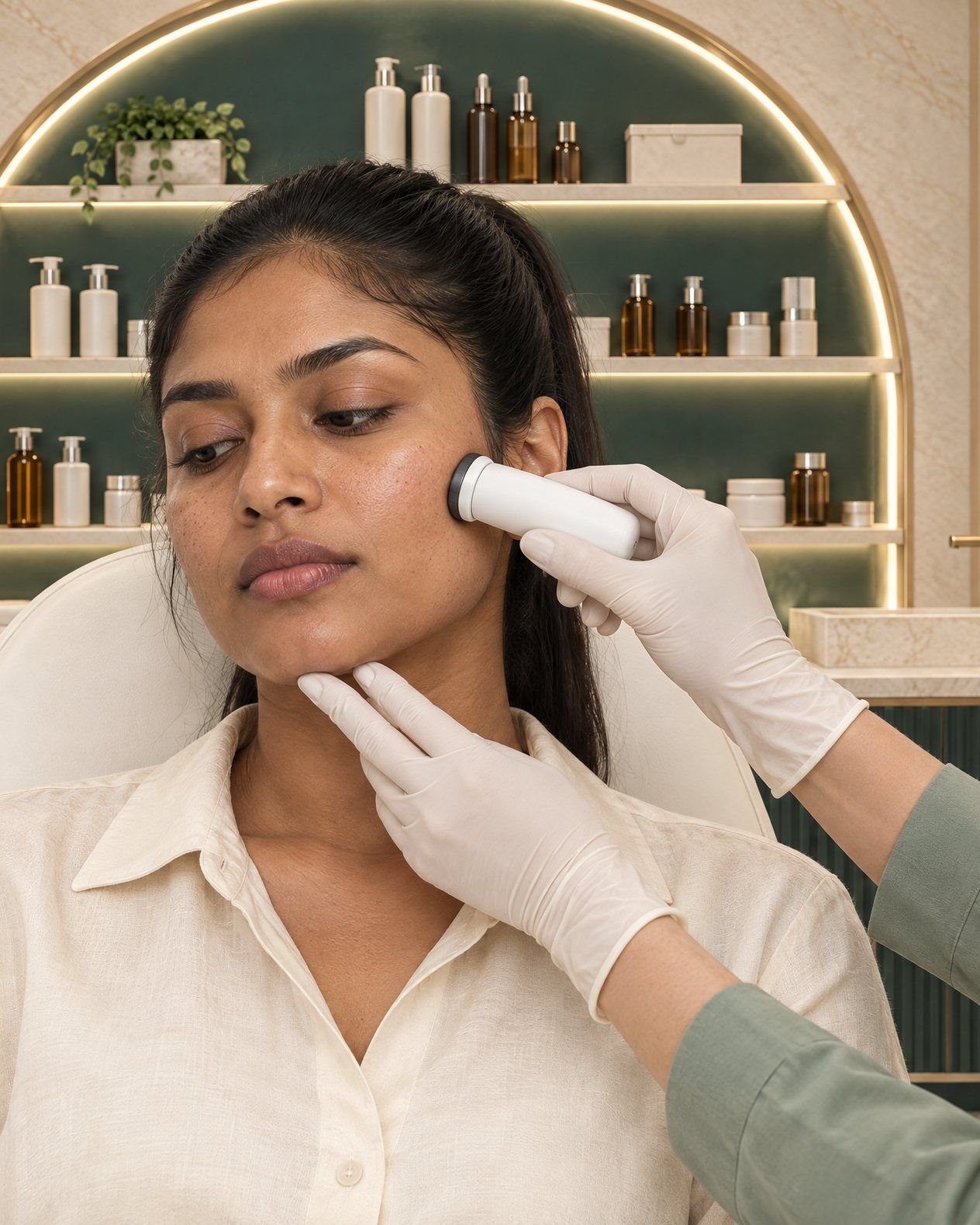
Skin consultation
A close look at your skin, then the options explained.
-
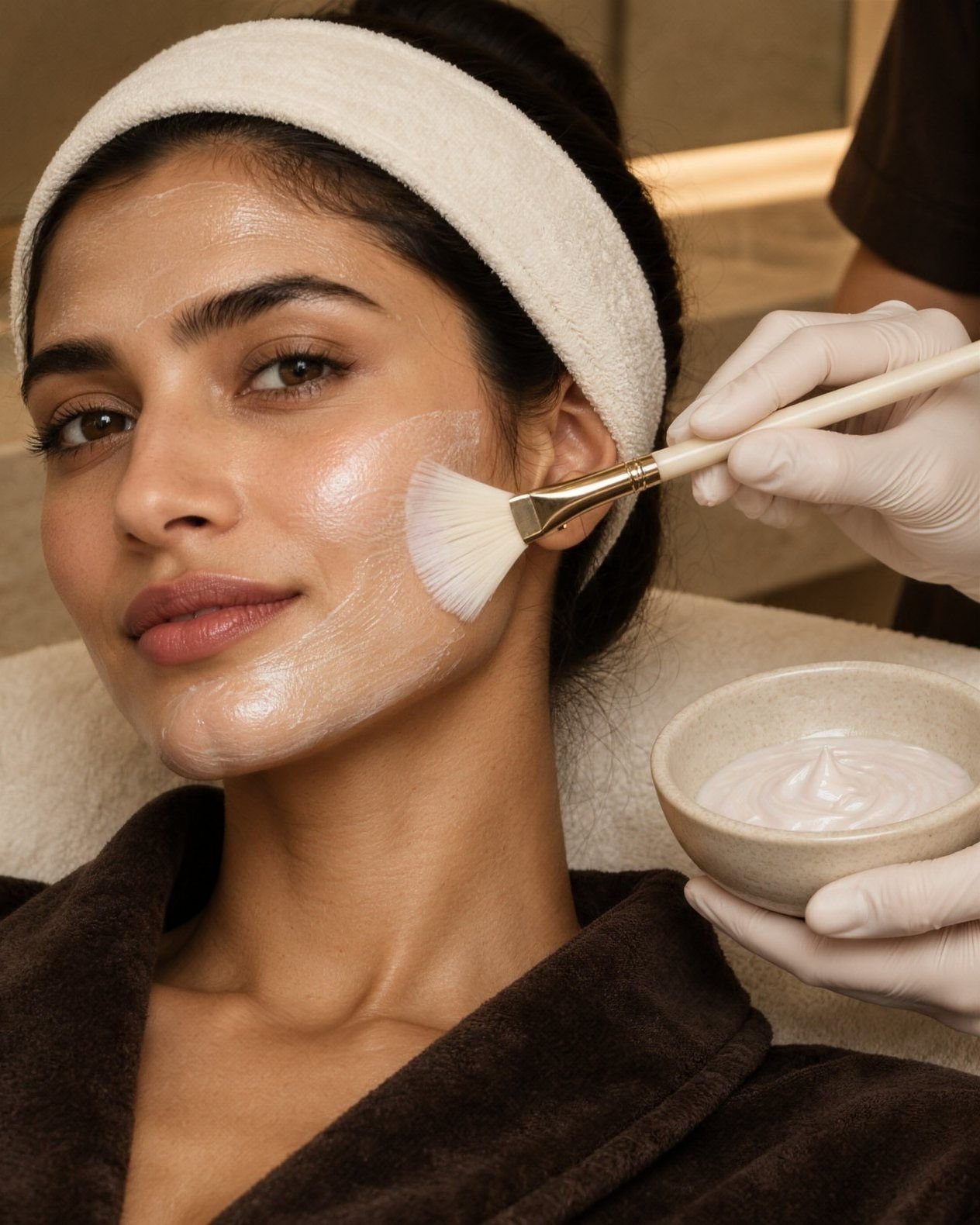
Medical facials
A facial whose steps are chosen for your skin.
-
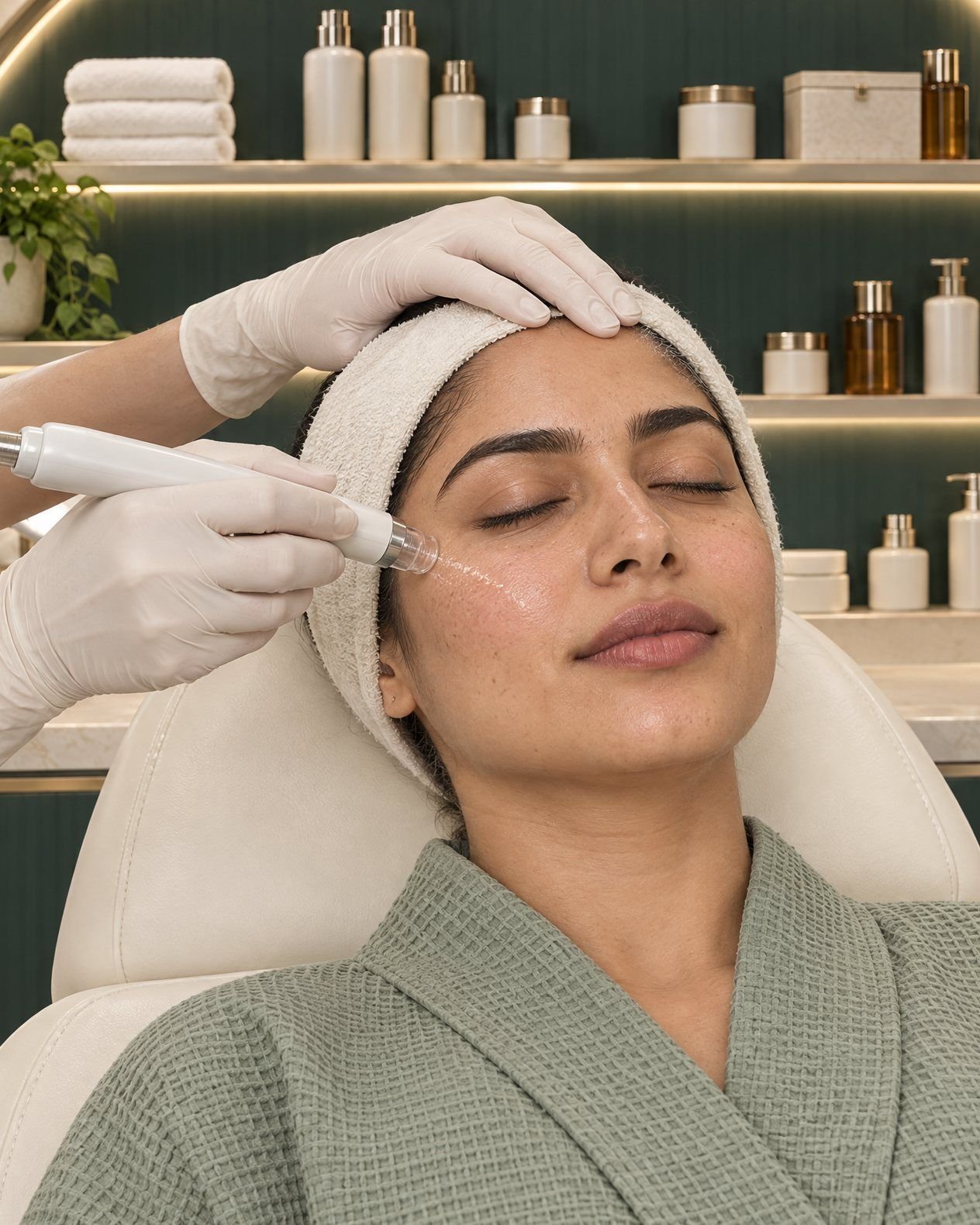
Hydra facial
Cleanse, exfoliate and hydrate, with a handpiece and serums.
-
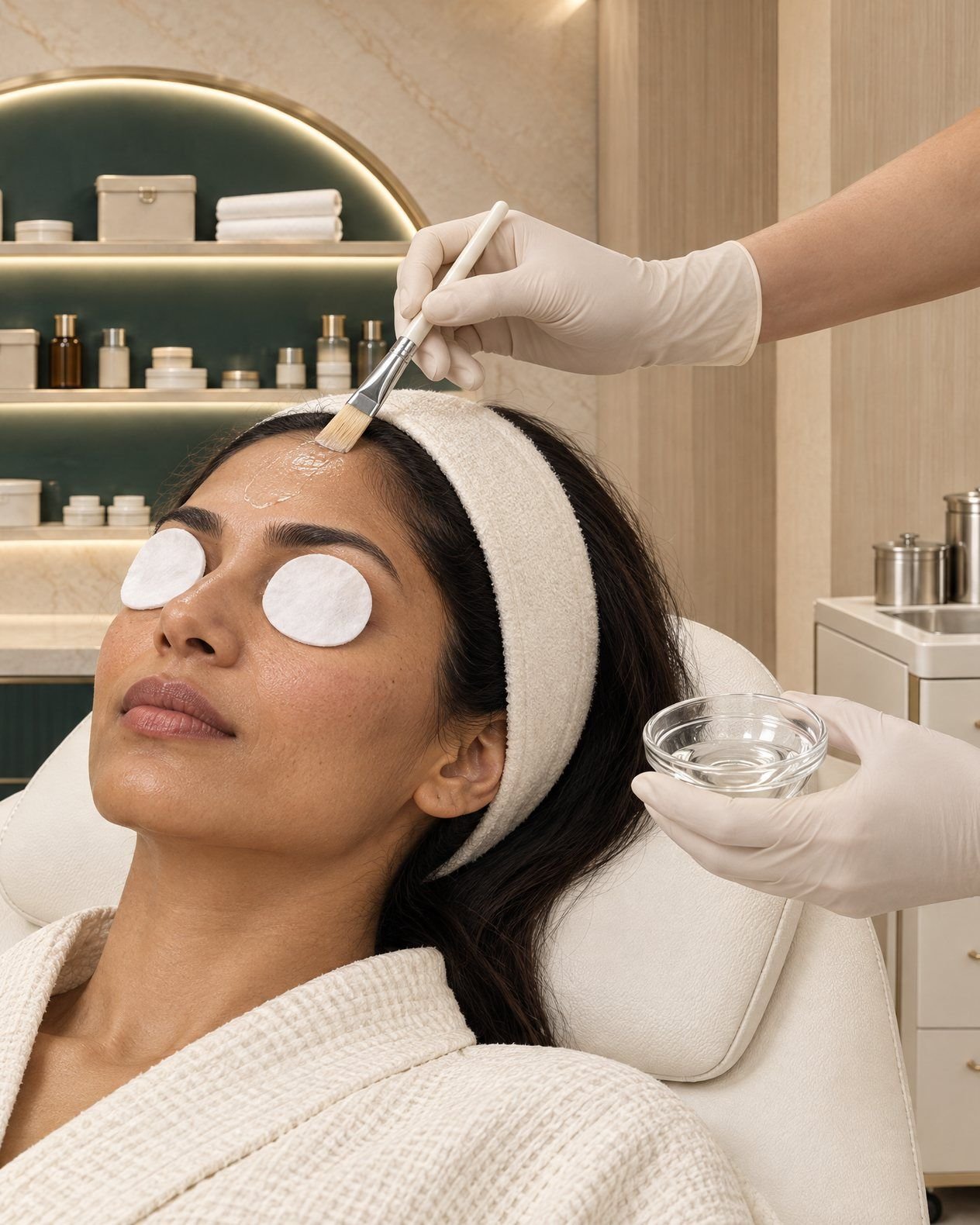
Chemical peels
A peel chosen for your skin, if one suits.
-
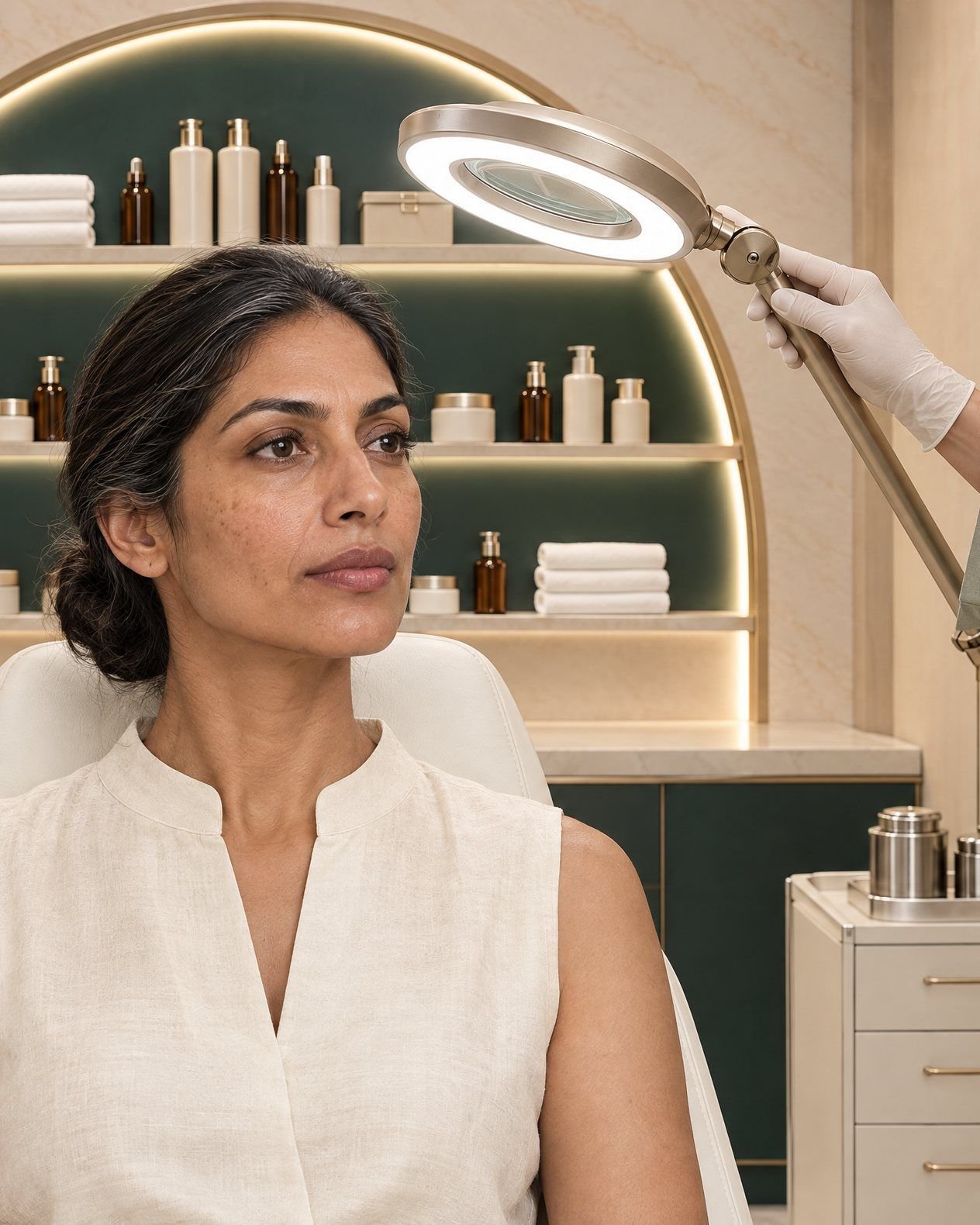
Pigmentation
Changes in skin colour, looked at in good light.
-
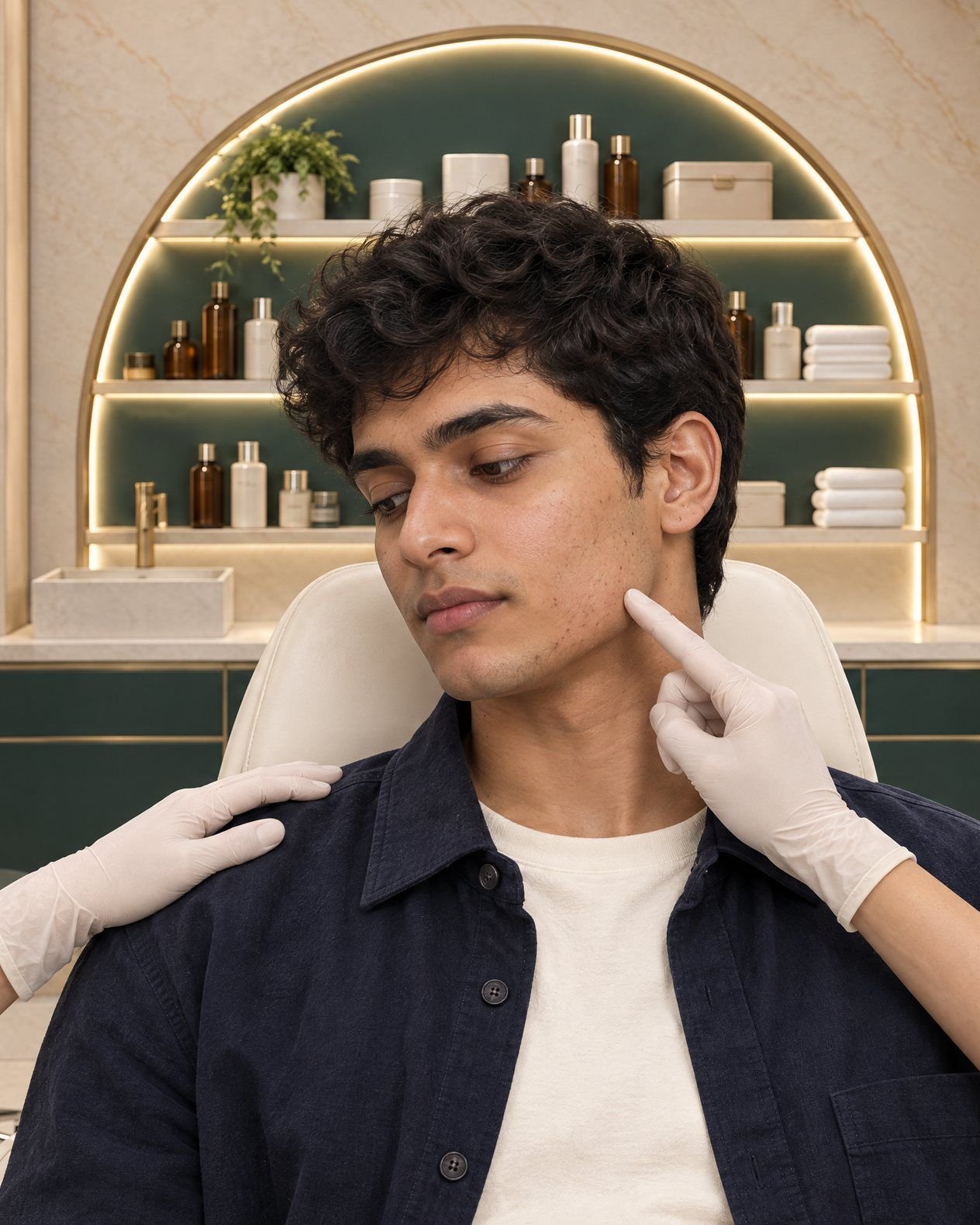
Acne
Breakouts and the marks they leave, looked at closely.
-

Warts and skin tags
Small growths frozen with cold, after a close look.
By what you’d like to talk about
-

Breakouts
Breakouts and the marks they leave, looked at closely.
- Skin consultation
- Acne
-

Dark patches or pigmentation
Changes in skin colour, looked at in good light.
- Skin consultation
- Pigmentation
-

Texture and pores
Looked at close up, in good light, then the options.
- Skin consultation
- Medical facials
-

Dryness
The doctor starts with your routine, so bring your creams.
- Skin consultation
- Medical facials
-
Something else
Describe it in your own words; the doctor listens first.
- Skin consultation
- Medical facials

Questions and answers
-
Do I need a consultation before a skin treatment?
For medical treatments, such as a peel or a medical facial, yes: the doctor looks at your skin and talks through the options first. A hydra facial starts with a check that it suits your skin. For a facial that’s mainly about rest, the salon facials are the place to start.
-
Who carries out skin treatments at Leevora?
Every clinical treatment is carried out by a qualified doctor. Facials in the salon are given by a therapist.
-
Is the skin clinic separate from the salon?
They share one floor at Subhash Nagar metro but do different work. The salon looks after hair, hands and feet, and gives facials that are about care. The skin clinic handles consultations and the treatments listed on this page.
-
Can I find out my skin type before I come in?
Yes. The skin-type guide asks four everyday questions. It isn’t a diagnosis, but it gives the consultation a useful starting point.